
Why Italian Decorative Finishes Are Becoming More Popular Across Australia
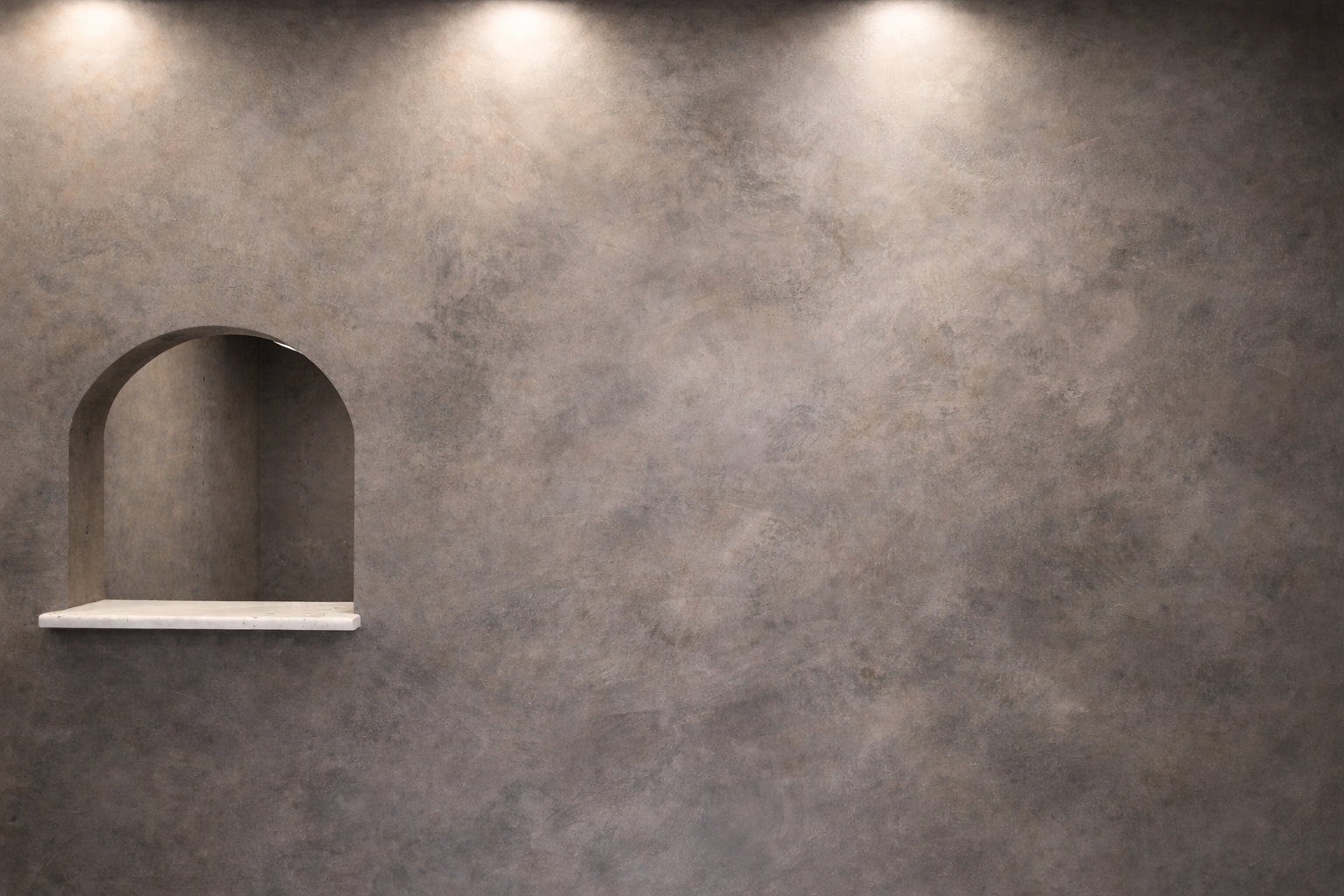
For decades, painted walls have been the standard choice for Australian homes. Practical, affordable and versatile, paint remains an essential part of modern construction and renovation.
Yet in recent years, a noticeable shift has begun to emerge.
Homeowners, architects and designers are increasingly seeking finishes that offer more than colour alone. Texture, natural materials and handcrafted surfaces are becoming central elements of contemporary interior design, leading to a growing interest in traditional Italian decorative finishes such as Venetian plaster, marmorino and limewash.
While these materials have been used throughout the Mediterranean for centuries, they are now finding a new audience in Australian homes.
A New Appreciation for Materials
One of the defining characteristics of modern interior design is a growing appreciation for authentic materials.
Rather than viewing walls simply as surfaces to be painted, designers are increasingly treating them as architectural features capable of contributing to the overall character of a space.
Natural stone, timber, clay and lime-based finishes are all benefiting from this shift.
These materials bring texture, depth and subtle imperfections that many homeowners now find more appealing than perfectly uniform surfaces.
The Growing Influence of Interior Designers
Another factor driving the popularity of decorative finishes is the increasing role of interior designers within residential projects.
In the past, homeowners often selected colours and finishes independently, focusing primarily on practicality and budget.
Today, it is becoming increasingly common for homeowners to seek professional design guidance, even on relatively modest renovations.
Interior designers approach a space holistically, considering how light interacts with surfaces, how materials complement one another and how textures influence the overall atmosphere of a room.
As a result, decorative lime-based finishes are being specified more frequently as part of broader design concepts rather than as isolated decorative features.
Beyond Paint
Traditional Italian finishes occupy a unique position between architecture and decoration.
Unlike conventional paint systems, many lime-based finishes create depth through both texture and light reflection.
Marmorino can range from soft, stone-like surfaces to elegant polished finishes. Limewash produces subtle tonal variation that changes throughout the day. Venetian plaster creates movement and visual richness that cannot easily be replicated with synthetic coatings.
Each finish offers its own character while sharing a common foundation in traditional lime craftsmanship.
Why These Finishes Resonate with Australian Homes
Australia's contemporary architectural style often emphasises natural light, open spaces and a connection to natural materials.
Italian decorative finishes complement these principles exceptionally well.
Their muted colours, mineral composition and organic appearance integrate naturally into both modern and traditional interiors. They provide visual interest without overwhelming a space and can work equally well in minimalist environments or more richly layered designs.
This balance between sophistication and restraint is one reason these finishes have gained increasing attention among designers and homeowners alike.
A Trend Visible Across the Country
Although decorative lime-based finishes remain a specialised segment of the market, their presence is becoming increasingly noticeable throughout Australia.
The trend is particularly evident in regions with strong architectural and design communities, where custom homes and high-end renovations continue to drive innovation in material selection. Areas such as the Gold Coast, for example, have seen growing interest in textured and handcrafted finishes that bring individuality and character to contemporary homes.
What was once considered a niche European product is steadily becoming part of the broader Australian design conversation.
Looking Ahead
As Australians continue to invest in personalised and thoughtfully designed living spaces, interest in traditional decorative materials is likely to grow.
The appeal of Italian finishes extends beyond aesthetics alone. They represent craftsmanship, heritage and a connection to building traditions that have endured for centuries.
In a world increasingly dominated by mass-produced materials, their popularity may ultimately reflect something much simpler: a desire for surfaces that feel genuine, timeless and uniquely human.
